Cipriano de Valera: revisar una Biblia para los lectores de habla españolaCipriano de Valera: revising a Bible for Spanish-speaking readers
La edición de 1602 y el trabajo de un reformador español que quiso poner las Escrituras al alcance de sus lectores.
The 1602 edition and the work of a Spanish reformer who wanted to put the Scriptures within reach of his readers.
Cipriano de Valera · c. 1532–1602 o después · España, Inglaterra y Países Bajos
Cipriano de Valera · c. 1532–1602 or later · Spain, England, and the Netherlands
Un trabajo que recibió de otras manosA work received from other hands
Cipriano de Valera perteneció al mundo de la Reforma española del siglo XVI. Su trayectoria estuvo vinculada al monasterio sevillano de San Isidoro del Campo y al exilio protestante. La historia de su trabajo bíblico transcurre fuera de España, en un tiempo de fuertes conflictos religiosos y restricciones a la circulación de libros. [1]
Cipriano de Valera belonged to the world of the sixteenth-century Spanish Reformation. His life was connected with the monastery of San Isidoro del Campo in Seville and with Protestant exile. The story of his Bible work takes place outside Spain, at a time of intense religious conflict and restrictions on the circulation of books. [1]
Su nombre quedó unido al de Casiodoro de Reina, cuya traducción de la Biblia se publicó en 1569. Valera no comenzó una traducción completa desde cero: recibió una obra existente y dedicó esfuerzos a revisarla. Distinguir esas tareas permite reconocer el servicio de ambos sin borrar sus diferencias. [1] [2]
His name became linked with that of Casiodoro de Reina, whose translation of the Bible was published in 1569. Valera did not start a complete translation from scratch: he received an existing work and devoted his efforts to revising it. Distinguishing these tasks lets us recognize the service of both men without erasing their differences. [1] [2]
Leer, revisar y volver a publicarReading, revising, and publishing again
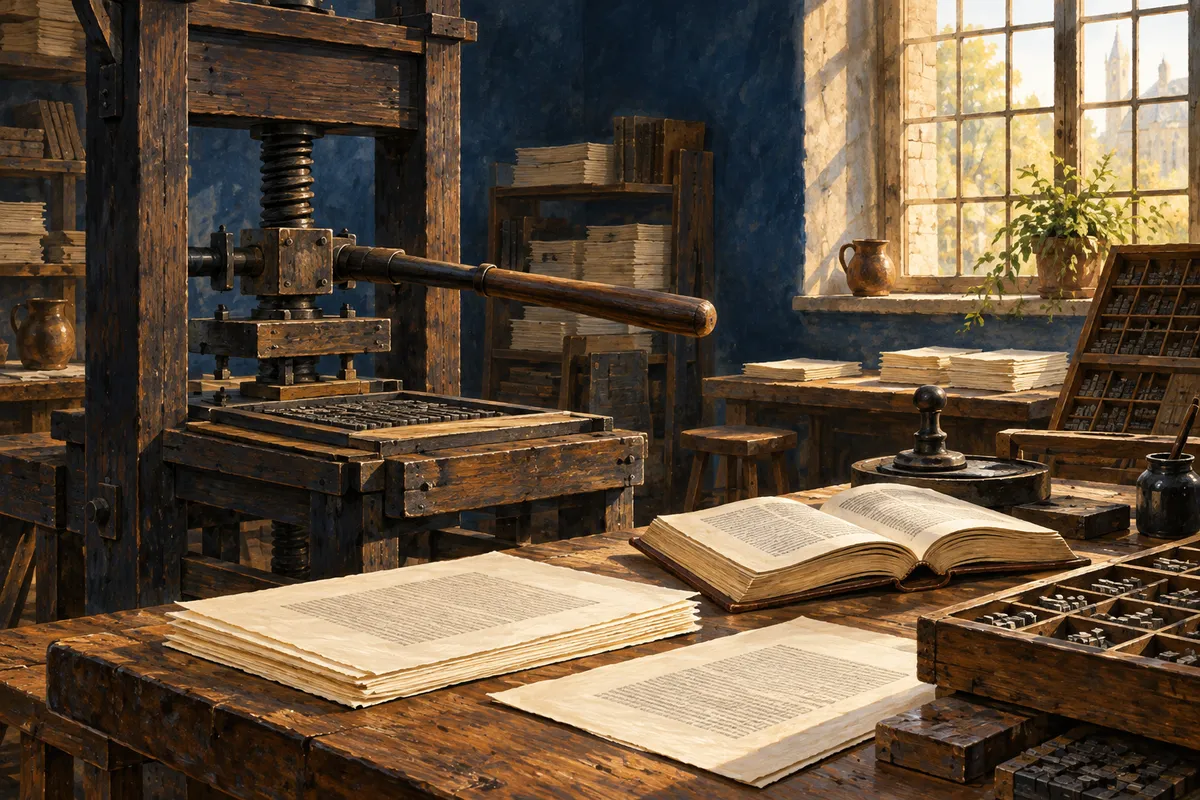
En 1602 apareció en Ámsterdam la segunda edición de aquella Biblia, revisada por Valera. Su exhortación al lector explica el deseo de que la nación española pudiera disponer de las Escrituras en su lengua. Describe lecturas repetidas, nuevas notas y cambios en determinados lugares del texto. [2] [3]
In 1602 the second edition of that Bible, revised by Valera, appeared in Amsterdam. His exhortation to the reader explains his desire for the Spanish nation to have the Scriptures in its own language. He describes repeated readings, new notes, and changes in certain places in the text. [2] [3]
La imagen de la portada dio lugar al nombre de Biblia del Cántaro. Las posteriores revisiones conocidas como Reina-Valera pertenecen a una historia editorial más larga; no todas sus decisiones pueden atribuirse a la edición de 1602. La fecha exacta de la muerte de Valera sigue siendo incierta. [1] [2]
The image on the title page gave rise to the name Biblia del Cántaro (the “Pitcher Bible”). The later revisions known as Reina-Valera belong to a longer publishing history; not all of their decisions can be attributed to the 1602 edition. The exact date of Valera’s death remains uncertain. [1] [2]
Para reflexionar a la luz de la BibliaTo reflect on in the light of the Bible
6 Yo planté, Apolos regó, pero Dios ha dado el crecimiento. 7 Así que ni el que planta es algo, ni el que riega, sino Dios, que da el crecimiento.
Primera de Corintios 3:6–7 distingue a quienes plantan y riegan, y atribuye a Dios el crecimiento. Ese pasaje no habla de una edición bíblica particular, pero ayuda a pensar en el trabajo compartido. Traducir, revisar y facilitar la lectura son tareas que necesitan paciencia, conocimiento y humildad.
First Corinthians 3:6–7 distinguishes between those who plant and those who water, and gives God the credit for the growth. That passage does not speak about any particular Bible edition, but it helps us think about shared work. Translating, revising, and making reading easier are tasks that require patience, knowledge, and humility.
Agradecer una traducción también significa examinarla con cuidado. Podemos aprender de quienes trabajaron antes, reconocer sus límites y procurar que otros comprendan lo que leen. La fidelidad a las Escrituras pide más que admirar un nombre en la portada: invita a abrir el texto y escucharlo en contexto.
Being grateful for a translation also means examining it carefully. We can learn from those who worked before us, recognize their limits, and help others understand what they read. Faithfulness to the Scriptures asks for more than admiring a name on the title page: it invites us to open the text and listen to it in context.
Bibliografía y fuentes consultadasBibliography and sources consulted
Las referencias numeradas señalan las fuentes del relato histórico. La reflexión bíblica es una lectura editorial de Verbo.
The numbered references point to the sources of the historical account. The biblical reflection is an editorial reading by Verbo.
- PHTE, Universitat Pompeu Fabra. «Valera, Cipriano de».PHTE, Universitat Pompeu Fabra. “Valera, Cipriano de.”Historia de la traducciónHistory of translation
- Biblioteca Digital de la Comunidad de Madrid. Registro de La Biblia, 1602.Biblioteca Digital de la Comunidad de Madrid. Catalog record for La Biblia, 1602.Catálogo bibliográficoLibrary catalog
- PHTE. «Valera 1602», exhortación al lector.PHTE. “Valera 1602,” exhortation to the reader.Texto primario en edición académicaPrimary text in a scholarly edition
Consulta documental: 21 de octubre de 2026.Sources consulted: October 21, 2026.
Sobre las fuentes y la redacciónAbout the sources and the writing
Se distinguen traducción y revisión. Se conserva la incertidumbre sobre las fechas personales; la fecha y el lugar de edición siguen el catálogo bibliográfico. La exhortación se resume sin reproducirla.
Translation and revision are distinguished. The uncertainty about his personal dates is kept; the date and place of publication follow the library catalog. The exhortation is summarized, not reproduced.
Texto original de Verbo basado en las fuentes indicadas. Las obras citadas conservan los derechos de sus respectivos autores y titulares. Este artículo no reproduce sus fotografías, cartas ni capítulos.
Original text by Verbo based on the sources listed. The works cited remain the property of their respective authors and rights holders. This article does not reproduce their photographs, letters or chapters.